When breasts speak … sometimes very clearly !
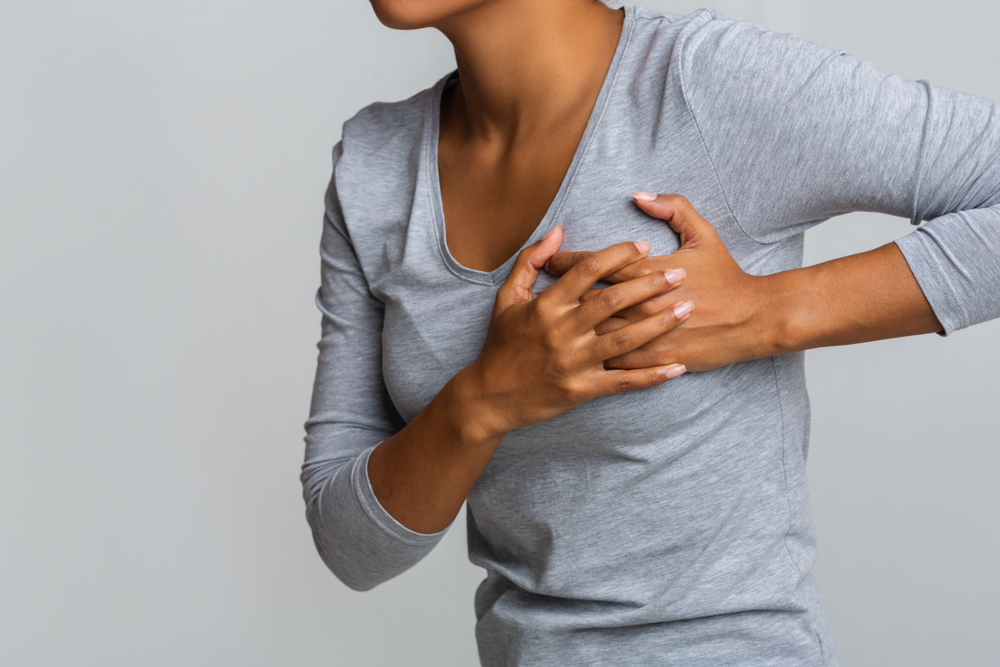
Cyclic breast pain is so common that many of us could co-write a monthly guide based on personal experience alone. Yet this widely felt phenomenon remains poorly understood and is often a source of concern—especially when we don’t know what’s happening. In this article, we explore the origins of cyclic breast pain, what it means for your body, how to recognize it, what influences it, and most importantly how to live with it more comfortably. The goal: to better understand your breasts—and perhaps help them communicate more gently.
1. Breast Pain and the Cycle: The Link Is Real
“The breast that speaks” isn’t just poetic language—it often refers to mastalgia, the medical term for breast pain. This pain can range from mild tingling to more intense discomfort and is very common among menstruating individuals: up to 70% experience it at some point in their lives. Despite this frequency, worry often lingers—especially fear of breast cancer. Reassuringly, breast pain alone is usually not a sign of cancer. (NCBI)
So why does cyclic breast pain seem to follow a nearly religious monthly schedule? The answer lies in hormones.
2. Hormones as the Conductors
The menstrual cycle is a complex hormonal ballet, mainly orchestrated by estrogen and progesterone. These chemical messengers fluctuate throughout the cycle and directly influence breast tissue. (Clue)
🌀 Follicular Phase (start of the cycle)
After menstruation, estrogen levels gradually rise. Breast sensitivity is usually mild or absent.
🌸 Ovulation
Some people experience mild breast pain around ovulation, linked to hormonal stimulation of breast structures. (Massachusetts General Hospital)
🌙 Luteal Phase (after ovulation until menstruation)
This is where things intensify. Estrogen remains elevated briefly, then progesterone rises. This combination leads to glandular swelling, water retention, heaviness, tenderness, and sometimes cyclic breast pain, which often peaks 1–2 weeks before menstruation and eases once bleeding begins. (PMC)
3. Cyclic vs. Non-Cyclic Breast Pain: A Crucial Distinction
Medically, breast pain is classified into three categories:
✅ Cyclic breast pain
The most common type. It follows the menstrual cycle, worsens in the luteal phase, and improves with menstruation. (NCBI)
✅ Non-cyclic breast pain
Occurs independently of the cycle and may be linked to cysts, inflammation, trauma, or other non-hormonal causes. (NCBI)
✅ Extramammary pain
Pain felt in the breast area but originating from nearby structures such as muscles, nerves, or joints. (NCBI)
4. Typical Signs of Cyclic Breast Pain
Wondering if your breasts are “speaking in rhythm”? Look for these clues:
- Pain recurring at roughly the same point in the cycle
- Peak discomfort 1–2 weeks before menstruation
- Swelling, heaviness, tenderness
- Pain affecting both breasts
- Symptoms easing once periods start (Clue)
A touch of humor: if your chest complains louder than your alarm clock in the morning, it may simply be saying, “It’s almost time.”
5. Why Pain Varies from One Cycle to Another
Cyclic breast pain isn’t identical every month. Several factors influence its intensity:
🔄 Natural hormonal variation
Even regular cycles involve hormonal fluctuations that affect breast sensitivity. (VIDAL)
😴 Stress levels
Stress influences hormone balance and may intensify breast discomfort.
🍵 Diet and lifestyle
Caffeine, salt, and nutritional imbalance may increase water retention and sensitivity. (PMC)
💊 Hormonal contraception or treatments
These can alter estrogen and progesterone levels, either easing or worsening pain. (Mayo Clinic)
6. Breast Pain and Premenstrual Syndrome (PMS)
Cyclic mastalgia often forms part of premenstrual syndrome (PMS)—a cluster of physical and emotional symptoms appearing in the second half of the cycle. (VIDAL)
Alongside breast pain, PMS may include:
- bloating
- fatigue
- irritability
- headaches
These symptoms usually disappear with menstruation.
7. When to Worry—and When to Breathe
In most cases, cyclic breast pain is completely benign. However, seek medical advice if you notice:
- persistent pain unrelated to the cycle
- very intense pain affecting quality of life
- a firm lump or change in breast shape
- redness, warmth, or signs of infection
Remember: breast pain alone is not a reliable cancer symptom, but any unusual change deserves medical attention. (Hopkins Medicine)
8. How to Relieve Cyclic Breast Pain
Practical strategies include:
🎯 Adjusting bra support
A well-fitted bra can reduce tissue strain.
🧊 / 🧖♀️ Cold or heat
Use whichever feels most relieving.
🍵 Dietary adjustments
Reducing caffeine, salt, and ultra-processed foods may help.
🧘♀️ Stress management
Yoga, meditation, or walking can reduce overall tension.
💊 Medical approaches
In severe cases, hormonal treatments or medications may be discussed with a healthcare professional. (ScienceDirect)
9. Quick Self-Check Quiz
- My pain appears at the same time each cycle
- It decreases or disappears with menstruation
- It affects both breasts diffusely
If you checked most boxes, your pain is very likely cyclic.
10. In Summary: A Cycle That Speaks—Softly or Loudly
Cyclic breast pain is a natural, very common, and usually benign experience. It results mainly from hormonal fluctuations affecting breast tissue throughout the menstrual cycle. Recognizing the cyclic pattern, distinguishing it from non-cyclic pain, and observing your body with kindness can make these sensations easier to manage.If breasts could speak, they might say:
“I respond to your cycle because I am part of your cycle. Thank you for listening.”»
📚Sources
- National Center for Biotechnology Information (NCBI), “Mastalgia”, StatPearls-Bookshelf, 2022.
https://www.ncbi.nlm.nih.gov/books/NBK562195/ (NCBI) - “A Systematic Review of Current Understanding and Management of Mastalgia”, PMC, 2013.
https://pmc.ncbi.nlm.nih.gov/articles/PMC4141056/ (PMC) - RL Smith, “Review Evaluation and Management of Breast Pain”, ScienceDirect, 2004.
https://www.sciencedirect.com/science/article/abs/pii/S0025619611628693 (ScienceDirect) - Mayo Clinic, “Breast pain”, Symptoms and causes overview.
https://mayoclinic.org/diseases-conditions/breast-pain/symptoms-causes (Mayo Clinic) - Hopkins Medicine, “Breast Pain (Mastalgia)”, Conditions & Diseases.
https://www.hopkinsmedicine.org/health/conditions-and-diseases/mastalgia-breast-pain (Hopkins Medicine)