Complete Guide to Boost Your Chances of Conception
Natural fertility fascinates, intrigues, and sometimes worries. Understanding the biological mechanisms, modifiable factors, and common myths surrounding natural fertility is essential for anyone hoping to conceive without medical assistance.
This educational guide, grounded in verifiable scientific knowledge, offers a clear and engaging overview , without oversimplifications or misleading claims , to support those who wish to conceive naturally.
What Is Natural Fertility?
Natural fertility refers to a couple’s ability to conceive without using medically assisted reproductive techniques such as in vitro fertilization (IVF). It depends on multiple factors , biological, environmental, and lifestyle-related , and can vary greatly from one individual to another.
Biologically, female fertility is generally highest in the twenties and gradually declines after age 30, particularly after 35, due to the decrease in both the quantity and quality of oocytes. In men, fertility also declines with age, though typically at a slower pace.
Understanding these fundamentals helps place expectations into perspective and supports informed decision-making.
The Menstrual Cycle and the “Fertile Window”
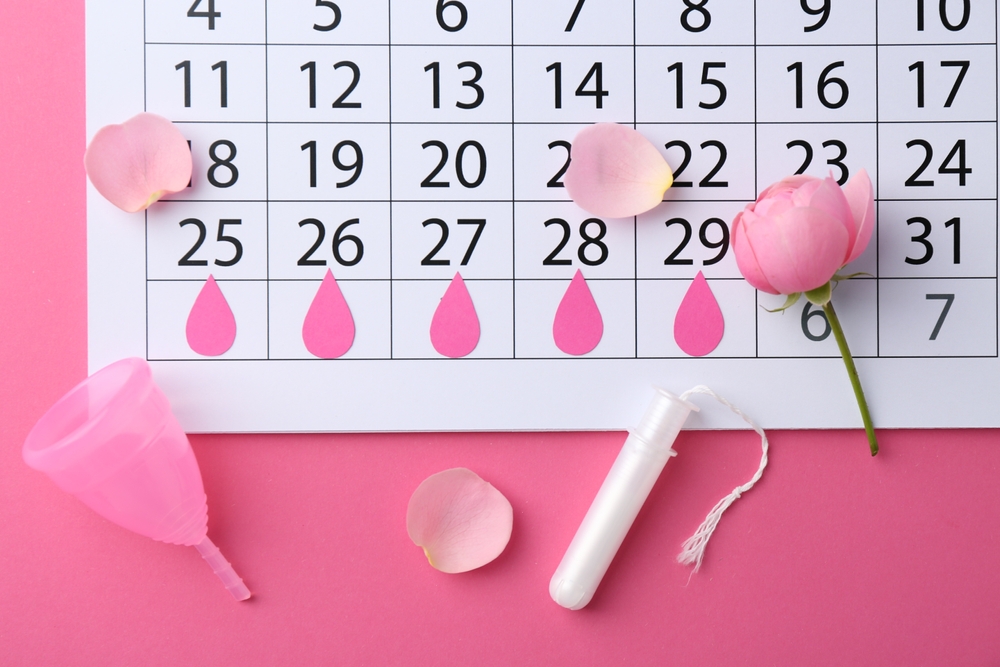
The key to optimizing natural fertility lies in understanding the menstrual cycle , especially the fertile window.
- The menstrual cycle lasts on average 28 days, though it varies between individuals.
- Fertility peaks around ovulation, when the ovary releases an egg ready for fertilization.
- The “fertile window” includes the five days before ovulation and the day of ovulation itself, since sperm can survive up to five days while the egg lives about 12–24 hours.
Research shows that having intercourse every 1–2 days during this window significantly increases the probability of conception.
Rather than focusing on a single “perfect” day, regular intercourse throughout the fertile window offers the most effective strategy.
How to Recognize Your Fertile Period
Several natural body-awareness methods can help identify ovulation.
1. Observing Bodily Signs
Cervical mucus becomes clearer, stretchier, and more slippery as ovulation approaches. Some women also experience mild pelvic discomfort known as mittelschmerz.
2. Tracking Basal Body Temperature
Each morning upon waking, measure your temperature. After ovulation, basal temperature rises slightly due to progesterone.
3. Using Urine Ovulation Tests
Ovulation predictor kits detect the surge of luteinizing hormone (LH), indicating that ovulation is imminent.
These methods are intended to optimize conception timing, not to serve as contraception.
Lifestyle Factors That Influence Fertility
Scientific evidence shows that lifestyle habits can either support or hinder natural fertility.
Balanced Nutrition
A diet rich in vegetables, fruits, fiber, whole grains, and omega-3 fatty acids (found in fatty fish) is associated with better reproductive health. Diets high in saturated fats or excessive mercury (from certain predatory fish) may negatively affect fertility.
Body Weight
A BMI below 19 or above 35 may lengthen the time required to conceive. Maintaining a stable, healthy weight supports hormonal balance and ovulation.
Smoking and Alcohol
Smoking reduces sperm quality and accelerates ovarian reserve decline. Excessive alcohol intake and high caffeine consumption are also linked to reduced fertility.
Physical Activity
Moderate exercise benefits reproductive health. However, excessive intense training combined with low caloric intake may disrupt ovulation.
Stress and Sleep
Chronic stress and insufficient sleep can disturb hormonal balance and indirectly impact fertility. While stress alone does not prevent pregnancy, managing it supports overall reproductive health.
Age and Fertility: The Role of Time
Age remains one of the most significant determinants of natural fertility.
In women, ovarian reserve declines progressively from the late twenties, with a sharper decrease after 35. In men, sperm parameters , volume, motility, and DNA quality , may also decline over time, though more gradually.
Pregnancy is still possible after 40, but with lower probabilities and increased risks such as miscarriage or obstetric complications.
Understanding the influence of age allows couples to plan realistically and seek timely support if needed.
Sexual Intercourse: Optimizing Without Pressure
Many myths circulate about sexual positions, orgasm timing, or lying down after intercourse. Scientific evidence shows that these factors do not significantly impact fertility.
What truly matters is having regular intercourse during the fertile window rather than focusing on one specific day. Removing unnecessary pressure can also improve emotional well-being during the conception journey.
When to Consult a Professional
It is generally recommended to seek medical advice if:
- You are over 35 and have not conceived after six months of regular intercourse
- Your cycles are irregular or absent
- You have known medical conditions (endometriosis, blocked tubes, polycystic ovary syndrome, sexually transmitted infections, etc.)
- You want a comprehensive fertility evaluation
Hormonal tests, ultrasound examinations, or semen analyses may then be proposed.
Myths and Realities
Common Myths
❌ “Trying only one day per cycle is enough.” → False. The fertile window lasts several days.
❌ “Certain foods or positions determine the baby’s sex.” → Not scientifically validated.
❌ “If you’re stressed, you cannot get pregnant.” → Stress does not systematically prevent conception, though it may affect cycles.
Separating myths from facts empowers couples to make evidence-based decisions.
In Summary: How to Optimize Natural Fertility
✔️ Understand your cycle and identify your fertile window
✔️ Have regular intercourse during that time
✔️ Maintain a healthy lifestyle (balanced diet, moderate exercise, quality sleep)
✔️ Avoid smoking, excessive alcohol, and toxic exposures
✔️ Consult a healthcare professional if needed
Natural fertility is influenced by biology, lifestyle, and timing. With accurate information, realistic expectations, and supportive habits, couples can significantly improve their chances of conceiving naturally while protecting their long-term reproductive health.
📚 Sources
- PubMed – Ways to improve natural fertility , https://pubmed.ncbi.nlm.nih.gov/33851605/
- PMCID – Effects of lifestyle factors on fertility , https://pmc.ncbi.nlm.nih.gov/articles/PMC8812443/
- PMC – Increasing the chances of natural conception , https://pmc.ncbi.nlm.nih.gov/articles/PMC10309285/
- ASRM – Optimizing natural fertility: a committee opinion , American Society for Reproductive Medicine guidance.
- PubMed – Age génésique avancé et fertilité , https://pubmed.ncbi.nlm.nih.gov/28549562/