The Art (and Science) of Maximizing Your Chances Before Pregnancy
Before talking about pregnancy, ovulation tests, and emoji-filled messages, there is a crucial , and often underestimated , step: preparing your body for conception.
Just as a gardener nurtures the soil before planting seeds, a future mother (and ideally her partner) can optimize her body to give conception and pregnancy the best possible start.
This is more than an Instagram mantra or a list of good resolutions. It is a scientifically supported process grounded in medical research and public health recommendations. While every body is unique, universal biological foundations can significantly increase the likelihood of a smooth pregnancy and healthy fetal development.
Let’s explore how to turn your body into fertile ground , with scientific rigor, a touch of lightness, and strong research support.
1. Why Prepare Your Body Before Conception?
Contrary to the common belief that “everything starts with the first positive test,” the body begins laying the groundwork long before fertilization. Several months of targeted care are recommended to:
- Optimize hormonal balance
- Ensure adequate micronutrient reserves
- Stabilize body weight
- Strengthen cardio-metabolic function
- Reduce the risk of obstetric complications
Systematic reviews show that preconception interventions , combining nutritional adjustments, physical activity, weight management, and lifestyle changes , significantly improve key health markers in women of reproductive age. (PMC)
In short, preparing your body for conception is a proactive approach designed to enhance fertility and improve future gynecological and obstetric conditions.
2. Nutrition: Planting the Right Seeds
Micronutrients at the Center of Attention
Preconception nutrition is not a passing trend; it is a scientific cornerstone. Research highlights the importance of optimal nutritional status, particularly for:
- Folic acid (prevention of neural tube defects)
- Vitamin D and B12 (immune and metabolic support)
- Omega-3 fatty acids (neurological development)
- Iron and calcium (maternal and fetal health)
More than 90% of women entering pregnancy show insufficient or marginal levels of at least one key nutrient before conception. (@dsm-firmenich)
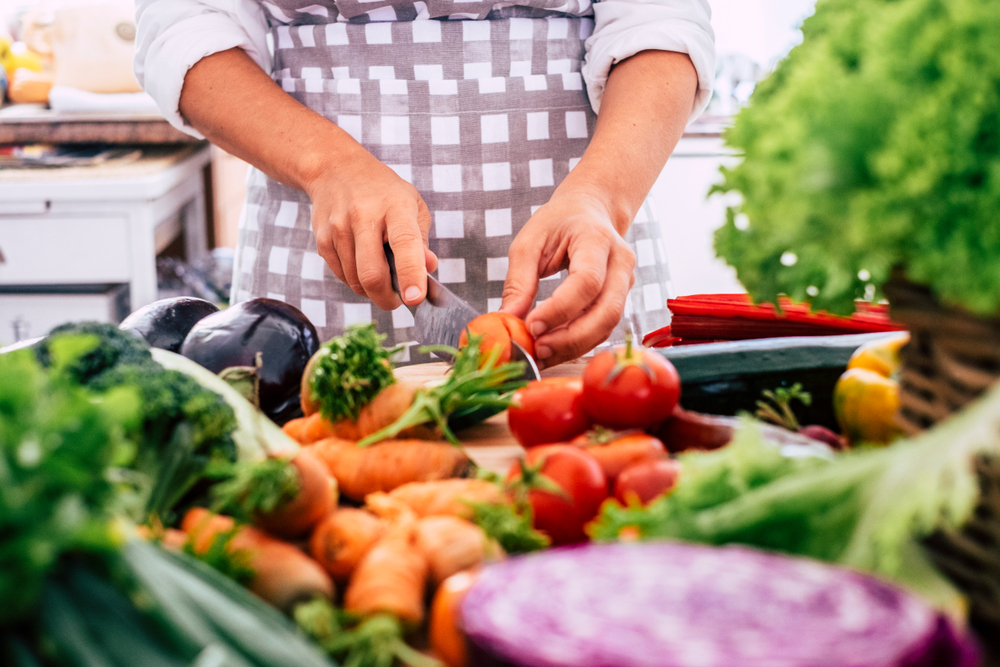
A diet rich in seasonal vegetables, fruits, legumes, fatty fish (salmon, mackerel), and nuts , combined with targeted supplementation (especially folate before conception) , forms a solid foundation.
Quality Over Quantity
It is not about overloading on trendy “fertility-boosting” superfoods. Science emphasizes:
- A varied diet rich in fiber, quality proteins, and unsaturated fats
- Reduced refined sugars and ultra-processed foods
- Attention to glycemic index to support hormonal balance (Karger Publishers)
This type of nutrition also improves metabolic parameters linked to fertility, including insulin sensitivity and inflammation.
3. Physical Activity: Moving Toward Conception
Smart Consistency Over Extremes
Exercise does not mean running a marathon. Research shows that regular physical activity:
- Improves overall metabolic health
- Supports weight regulation
- Reduces stress and promotes hormonal balance (Frontiers)
A simple guideline? 150 minutes of moderate activity per week , such as brisk walking, swimming, or yoga , is an excellent starting point. Consistency matters more than intensity.
Physical Activity and Ovulation
In women with excess weight or insulin resistance, combined nutrition and exercise interventions have shown greater improvements in ovulatory function compared to isolated strategies. (PMC)
Enjoyable movement , not punishing workouts , is key.
4. Body Weight: Not Too High, Not Too Low
There is a strong link between body weight and fertility. Both extremes can disrupt hormonal balance, affect ovulation, and reduce the likelihood of natural conception.
Some weight-loss intervention studies show increased pregnancy rates, although effects on live birth outcomes vary. (ScienceDirect)
Practical guidance:
If your BMI is above 30, gradual weight loss under medical supervision may be beneficial.
If your weight is very low, adequate caloric and nutritional intake can help restore regular cycles.
Personalized assessment with a healthcare professional is always recommended.
5. Lifestyle Habits: What Truly Matters
Certain habits significantly affect fertility and preconception health.
Tobacco and Toxic Substances
Smoking , even passive exposure , accelerates egg aging and impairs sperm quality.
The same applies to certain drugs and prolonged exposure to harmful chemicals.
Alcohol and Caffeine
Alcohol has been associated with reduced chances of conception and early pregnancy complications. (MDPI)
Excess caffeine consumption may also influence fertility, so moderation is advised.
Sleep and Stress
Regular, sufficient sleep supports hormonal regulation. Chronic stress can disrupt endocrine function , not as a source of guilt, but as a signal to incorporate recovery practices like deep breathing, meditation, and time in nature.
6. Cycle Awareness and Medical Follow-Up
Understanding your menstrual cycle is a valuable physiological tool. Observation methods include:
- Symptothermal tracking (temperature and physiological signs)
- Daily basal body temperature charting
- Cervical mucus observation to identify fertile days (Wikipédia)
These approaches enhance awareness of fertile windows and help time intercourse optimally. However, they are only one component of comprehensive preparation.
A preconception medical consultation with a gynecologist or physician is essential to screen for conditions such as thyroid disorders, diabetes, or significant deficiencies and to personalize advice.
7. The Importance of a Healthy Environment
Preparation goes beyond the body itself. A supportive environment includes:
- Regular home ventilation
- Reduced use of harsh cleaning products
- Checking combustion appliances to limit pollutants
- Avoiding endocrine disruptors in cosmetics and packaging
A body ready to conceive benefits from an environment that does not undermine its balance.
Conclusion: Preparing Your Body Is Essential
Preparing your body for conception is neither magical nor instantaneous , but it is fundamental. Long before a positive pregnancy test, concrete biological foundations , nutrition, physical activity, lifestyle habits, hormonal balance, and medical follow-up , create more favorable conditions for conception and a healthy pregnancy.
Every positive action taken beforehand supports fertility, maternal health, and ultimately the child’s development.
Taking care of yourself before taking care of another is, in many ways, a profound act of love. 💛
Sources
- Koletzko B, et al. Diet and Lifestyle Before and During Pregnancy. PMC. 2018. https://pmc.ncbi.nlm.nih.gov/articles/PMC6294644/ (PMC)
- Torkel ST, et al. Preconception lifestyle interventions for women , a systematic review and meta-analysis. PMC. 2025. https://pmc.ncbi.nlm.nih.gov/articles/PMC12766448/ (PMC)
- Kartchner LC, et al. Lifestyle Modifications Prior to Pregnancy and Their Impact…. MDPI Journal of Clinical Medicine. 2025. https://www.mdpi.com/2077-0383/14/18/6582 (MDPI)
- Saville NM, et al. Effects of preconception nutrition interventions on pregnancy and birth outcomes (systematic review). The Lancet. 2025. https://www.thelancet.com/journals/lansea/article/PIIS2772-3682(25)00051-4/fulltext (The Lancet)
- Nutrition for Preconception Health and Fertility. Karger Nutrition. 2025. https://karger.com/anm/article/81/Suppl.%203/9/925598/ (Karger Publishers)