Moving for Two… With Common Sense
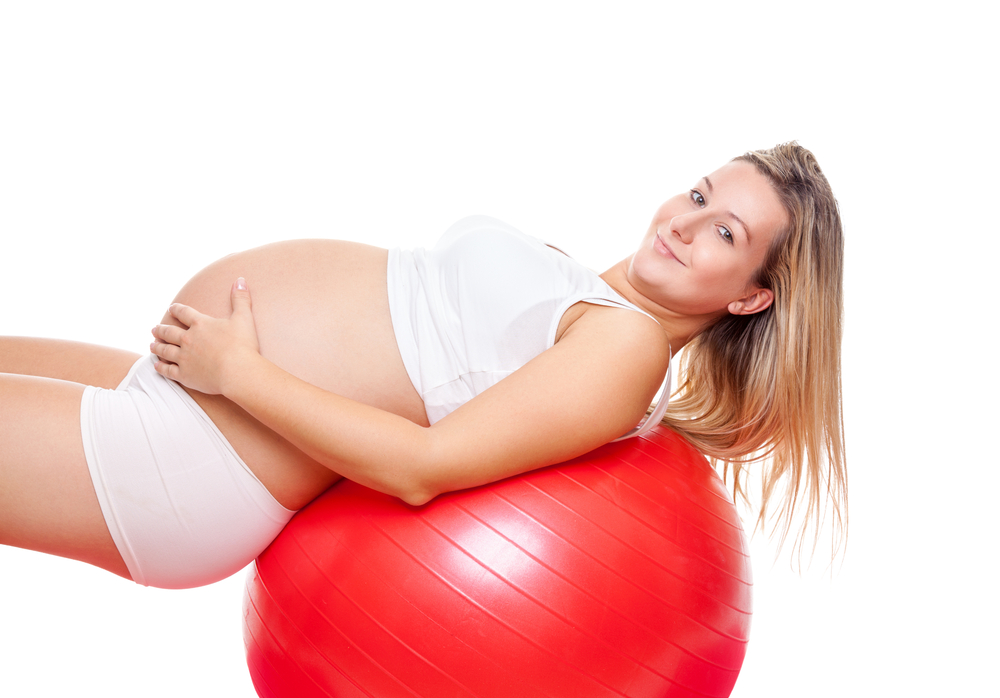
When we talk about women’s well-being and motherhood, movement deserves special attention. But what does staying active really mean during pregnancy? Can a pregnant woman safely walk, swim, dance, or practice yoga without risking her baby’s health?
Scientific evidence gives a clear and reassuring answer: exercise during pregnancy is not only safe in most cases, it is beneficial when properly adapted.
1. Moving During Pregnancy: Definitions and Misconceptions
According to the World Health Organization (WHO), physical activity includes any movement produced by skeletal muscles that requires energy expenditure. This can range from walking and gardening to climbing stairs or swimming. Structured exercise is simply a planned and organized form of physical activity.
(Source: https://www.1000-premiers-jours.fr)
For many years, pregnant women were advised to rest extensively. However, current evidence shows that adapted movement is safe and beneficial.
(Source: https://lamedecinedusport.com)
2. Why Stay Active? What Science Shows
Benefits for the Mother
Regular movement during pregnancy can:
- Limit excessive weight gain and reduce the risk of gestational diabetes and hypertension.
(Source: https://www.ncbi.nlm.nih.gov/pmc/) - Decrease common discomforts such as lower back pain and reduce the risk of preeclampsia.
(Source: https://lamedecinedusport.com) - Improve mood, reduce stress and fatigue, and enhance sleep quality.
(Source: https://www.ncbi.nlm.nih.gov/pmc/) - Lower the risk of postpartum depression.
(Source: https://kineautop.fr)
Movement supports both physical and emotional well-being.
(Source: https://www.ncbi.nlm.nih.gov/pmc/)
Benefits for the Baby
Maternal activity also benefits the baby:
- It supports placental growth and function.
(Source: https://www.cairn.info) - It may positively influence fetal neurological and cardiovascular development.
(Source: https://www.ncbi.nlm.nih.gov/pmc/) - Some studies suggest improved stress tolerance and better adaptation to birth in babies of active mothers.
(Source: https://conseilsport.decathlon.fr)
Clearly, exercise during pregnancy contributes to a more harmonious pregnancy for both mother and child.
3. How to Move Safely: Evidence-Based Recommendations
Scientific publications converge on one principle: choose moderate, adapted, and regular activity.
(Source: https://pubmed.ncbi.nlm.nih.gov)
Expert Guidelines
International recommendations indicate that a pregnant woman without medical contraindications should aim for:
- At least 150 minutes of moderate-intensity physical activity per week.
(Source: https://kineautop.fr) - Sessions that may be continuous or divided into shorter periods.
(Source: https://www.ncbi.nlm.nih.gov/pmc/)
Moderate intensity means you can talk while exercising.
(Source: https://www.ncbi.nlm.nih.gov/pmc/)
Recommended Activities
Commonly recommended options include:
- Walking
(Source: https://www.ameli.fr) - Swimming and water aerobics
(Source: https://www.ameli.fr) - Stationary cycling
(Source: https://www.ameli.fr) - Prenatal yoga or gentle Pilates
(Source: https://www.ameli.fr) - Light muscle strengthening
(Source: https://pubmed.ncbi.nlm.nih.gov)
The goal is not athletic performance but consistency and adaptation.
4. When to Slow Down or Consult
Certain conditions require caution:
- Risk of preterm labor, placenta previa, preeclampsia.
(Source: https://lamedecinedusport.com) - Significant cardiovascular or respiratory disorders.
(Source: https://lamedecinedusport.com)
Movement must always be personalized and medically supervised when needed.
(Source: https://lamedecinedusport.com)
5. Everyday Movement Counts
Climbing stairs, gardening, or dancing while cooking are valid forms of movement.
(Source: https://www.1000-premiers-jours.fr)
Even light regular activity can significantly improve overall well-being.
(Source: https://pubmed.ncbi.nlm.nih.gov)
6. A More Serene Pregnancy Through Movement
Ultimately, exercise during pregnancy is about balance. It supports healthy weight management, reduces complication risks, improves mood, and may positively influence fetal health.
(Source: https://www.ncbi.nlm.nih.gov/pmc/)
Listening to your body and seeking professional advice when needed are essential for a safe and joyful active pregnancy.
(Source: https://www.acog.org)
When practiced wisely, exercise during pregnancy becomes not a risk — but a powerful ally for both mother and baby.
Sources
- Physical Activity and Exercise During Pregnancy and the Postpartum Period – Obstet Gynecol. (ACOG Committee Opinion No. 804). DOI:10.1097/AOG.0000000000004266. PubMed. (PubMed)
- Physical activity during pregnancy: a systematic review for exercise types and benefits – PubMed. (PubMed)
- Benefits of Physical Activity during Pregnancy and Maternal Outcomes – PMC6527310. (PMC)
- Guidelines for Physical Activity during Pregnancy – PMC4206837. (PMC)
- Effects of exercise during pregnancy on maternal and fetal health – PMC12581287. (PMC)