
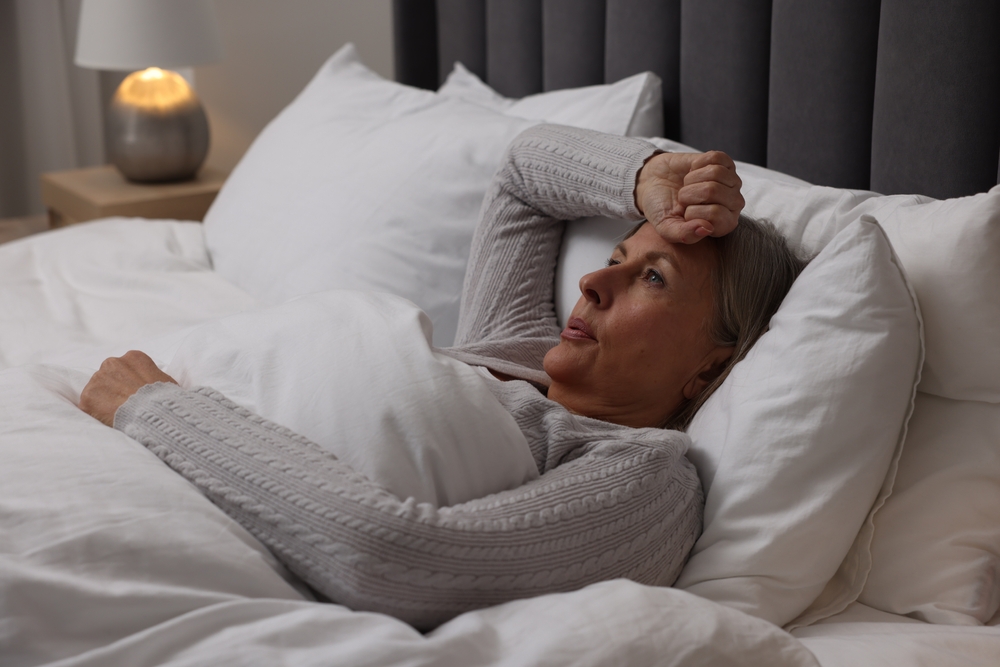
When the Night Becomes a Hormonal Battlefield
Sleep… that essential daily companion that allows us to recharge our batteries, consolidate memories, strengthen our immune system, and even make peace with that colleague who has been irritating us for months. But when menopause arrives one day (or not such a beautiful day), this well-established nighttime ritual can suddenly resemble a Sherlock Holmes mystery room: difficult to understand, even harder to solve.
Let’s explore together what science knows about sleep during menopause, why it becomes more complicated, and above all how to tame it without losing your mind , or your sleep.
1. Menopause: a hormonal transition that changes everything
Before addressing sleep specifically, let’s understand what is happening in the body. Menopause is a natural stage in a woman’s life, marked by the end of menstrual cycles after 12 consecutive months without periods. It occurs on average around age 51, but the period preceding it , perimenopause , can last several years and is accompanied by significant hormonal fluctuations.
During this transition, estrogen and progesterone levels gradually decline, affecting numerous body systems, including sleep regulation.
(PMC)
These hormones are not merely “menstrual cycle messengers.” They also influence mood, body temperature, metabolism, and our internal clock. Their decline can disrupt the delicate balance of the sleep–wake rhythm, and this is often noticeable from the early years of perimenopause.
(PMC)
2. Why sleep deteriorates: understanding the mechanisms
2.1 Hot flashes and night sweats
Ah, the famous hot flashes. These sudden waves of heat, sometimes accompanied by redness and sweating, are among the most common symptoms of menopause.
They are not merely uncomfortable: when they occur at night, they can trigger frequent awakenings, fragmenting sleep and reducing its overall quality.
(PMC)
2.2 Hormonal disruptions and the internal clock
Estrogen plays a role in regulating body temperature and in certain brain pathways involved in sleep. Its decline also alters melatonin production , the sleep hormone , thereby disturbing the circadian rhythm.
This misalignment can make falling asleep more difficult and nights less restorative.
(MDPI)
2.3 Anxiety, mood changes, and mental overactivity
Menopause is also often associated with mood changes, increased anxiety, or even depressive symptoms. These are not merely “emotional states”: they activate brain circuits that promote wakefulness, blur mental calm, and make falling asleep more difficult.
3. The most frequent sleep disorders linked to menopause
3.1 Insomnia
Insomnia is one of the most commonly reported sleep disorders during perimenopause and menopause. It may manifest as difficulty falling asleep, frequent awakenings, or early morning waking without being able to return to sleep.
(PMC)
3.2 Fragmented and poor-quality sleep
Even when sleep occurs, many women experience fragmentation, with longer periods of wakefulness during the night. This means less deep sleep , the stage essential for psychological balance, immune health, and memory consolidation.
(Lippincott Journals)
3.3 Breathing disorders and movement disturbances during sleep
Postmenopausal women show a higher prevalence of obstructive sleep apnea (OSA) and restless legs syndrome (RLS), which further disrupt sleep quality.
(PMC)
3.4 The impact on daytime quality of life
Poor sleep does not stop at nighttime fatigue. It can affect concentration, mood, emotional regulation, and even long-term cardiovascular health.
(PMC)
4. Prevalence: a global phenomenon, not an exception
According to several scientific reviews, between 40% and nearly 70% of women going through the menopausal transition report sleep difficulties.
This is not a simple “temporary inconvenience,” but a common and meaningful experience that deserves serious attention from healthcare providers and women themselves.
(PMC)
5. Approaches to sleeping better despite menopause
5.1 Sleep hygiene , the essential foundation
Even if hormones play a major role, good sleep often starts with simple habits:
- Go to bed and wake up at regular times
- Avoid screens at least one hour before bedtime
- Create a calming atmosphere: dark, cool, and quiet bedroom
These practices help strengthen the sleep–wake rhythm and reduce nighttime awakenings.
5.2 Regular physical activity
Moderate exercise, especially when performed several hours before bedtime, can improve sleep quality, reduce anxiety, and promote muscle relaxation.
5.3 Nutrition and sleep
Certain foods and drinks can either support or disrupt sleep. Caffeine, alcohol, or heavy meals close to bedtime should be limited, whereas foods rich in tryptophan or magnesium may promote more peaceful sleep.
5.4 Medical and hormonal approaches
In some cases, menopausal hormone therapy (MHT) can improve sleep quality, particularly by reducing hot flashes and stabilizing hormonal rhythms.
This option must always be evaluated individually with a healthcare professional, as it involves balancing benefits and potential risks.
(e-JMM)
6. When should you consult a specialist?
If sleep disturbances become chronic, significantly affect daytime quality of life, or are accompanied by symptoms such as loud snoring, frequent morning headaches, or nighttime breathing pauses, it is recommended to consult a sleep specialist or gynecologist for further evaluation.
7. A difficult crossing , but not without solutions
Sleep during menopause is not just a “bad phase.” It is a well-documented physiological reality, influenced by hormonal decline, vasomotor symptoms, mood changes, and specific sleep disorders.
Fortunately, by understanding the mechanisms behind these restless nights, it is possible to take targeted action , through lifestyle strategies, medical support, and sometimes individualized therapeutic approaches.
(PMC)
Remember: every woman experiences this transition differently, but you are not alone. Your body is recalibrating its rhythms. With the right tools and attentive care, it is possible to rediscover calmer nights and brighter days.
Sources
- Sleep disorders during menopause: Sleep disturbance associated with the menopause – PM Maki, Menopause Journal, 2024. (Lippincott Journals)
- Sleep and sleep disorders in the menopausal transition – FC Baker, PMC, 2018. (PMC)
- Menopause and Sleep Disorders – VR Tandon, PubMed Central, 2022. (PMC)
- Sleep Disturbance and Perimenopause: A Narrative Review – L Troìa, PMC, 2025. (MDPI)
- Global prevalence of sleep disorders during menopause – N Salari, PMC, 2023. (PMC)