
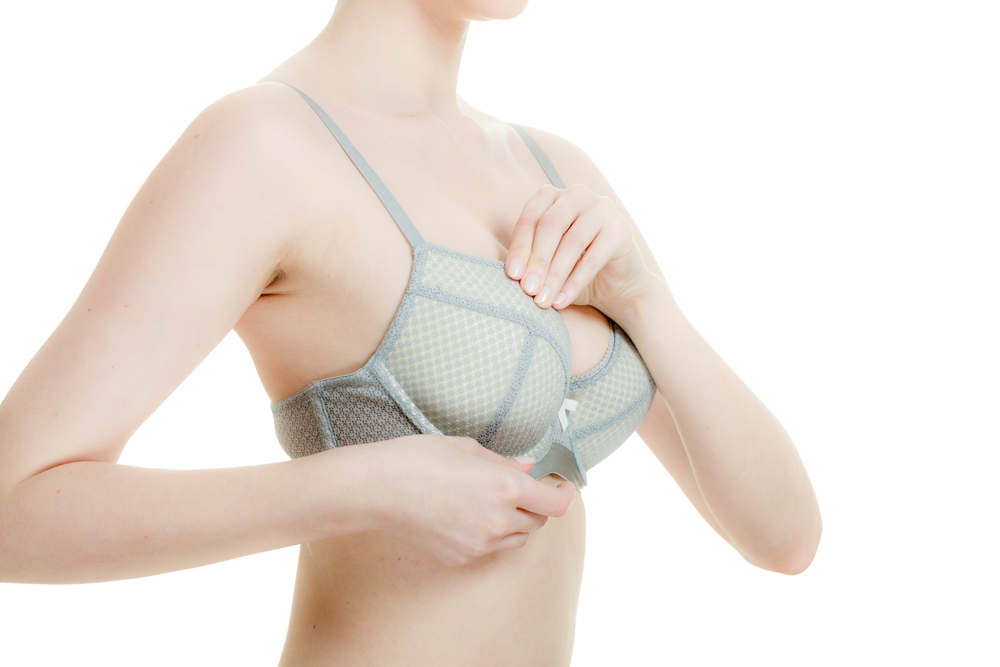
Bras: Support Anatomy and the Science of Comfort
The well-fitted bra: more than just underwear
Well-fitted bra comfort is often presented as a daily necessity for many women. This small garment—sometimes misunderstood—actually plays a complex role: it influences trunk biomechanics, comfort during movement, breast weight distribution, and even self-perception. In this introduction, we raise an intriguing question: shouldn’t a bra simply remain a comfortable accessory? Science has answered—with nuance. This article explores well-fitted bra comfort through anatomy, biomechanics, and evidence-based insights. (PMC)
1. Breast Anatomy and the Role of Support
Breasts are composed of glandular tissue, fat, skin, fascia, and ligaments—most notably Cooper’s ligaments, often described as internal “support cords.” They contain no intrinsic muscles dedicated to holding their weight. As a result, breast support depends largely on gravity, breast mass, and what we choose to do—or not do—with a bra. (Dr. Mertens)
Educational humor: Imagine your breasts as delicate tea bags—without a string, gravity becomes an issue. With a well-placed string, there’s comfort… and fewer headaches.
2. Bras and Posture: What the Body Reveals
A bra can change how the body distributes breast weight. Science has observed measurable effects:
2.1 Impact on Muscles and Posture
One study showed that wearing a bra increased activation of the upper trapezius muscle during arm movements compared to not wearing one. This suggests that certain muscle groups may work harder with traditional bras. (PMC)
2.2 Neck and Back Pain Associations
When women are grouped by cup size, those with larger cups are more likely to report neck and shoulder pain. This indicates that breast weight—and potentially the quality of support—directly affects physical comfort. (PMC)
Practical tip: A properly fitted bra can reduce forward displacement of the torso’s center of gravity, limiting upper-back muscular compensation.
3. Fit: The Key to Effective Support
3.1 Why Proper Fit Matters
A recent study involving women with chronic back pain linked to larger breasts showed that better-fitted bras or adapted designs provided significant symptom relief compared to poorly fitted models. (PMC)
👉 This highlights a simple truth: even a high-quality bra becomes ineffective if it doesn’t match your body shape—undermining well-fitted bra comfort.
3.2 Sports Bras and Movement Comfort
During physical activity, bra type also has measurable effects. In walking or running participants, different sports bra styles (compression vs. encapsulation) altered comfort levels and perceived breast movement. (PubMed)
Scientific humor: Running without a bra is like trying to catch a lively frog with chopsticks—it rarely ends comfortably.
4. Myth or Reality? Bras and Breast Health
4.1 Breast Cancer
Despite persistent myths or sensationalist claims, there is no solid scientific evidence that wearing a bra—even an underwire bra—increases breast cancer risk. Major medical organizations have debunked this hypothesis due to flawed data and methodologies. (Inserm Press Office)
4.2 Breast Sagging and Daily Support
The belief that wearing a bra permanently prevents breast sagging (ptosis) is also not strongly supported by current scientific literature. The main contributors remain age, genetics, weight fluctuations, and skin quality. (Dr. Mertens)
5. Practical Advice for Choosing and Wearing a Bra
Based on scientific findings, here are evidence-informed tips:
5.1 Measure Yourself Regularly
Body shape changes with age, hormonal fluctuations, and life events such as pregnancy. A professional fitting every 6–12 months can significantly improve daily comfort.
5.2 Choose According to Activity
A well-designed sports bra reduces pain and discomfort during exercise. Support needs vary depending on the type of activity.
5.3 Pay Attention to Straps and Cups
Wide straps, a snug but non-restrictive underband, and cups that fit without compression aren’t just marketing features—they genuinely affect support distribution and well-fitted bra comfort.
Conclusion: The Well-Fitted Bra as a Comfort Ally
A bra is not a universal medical requirement for everyone, but a well-chosen and well-adjusted one can meaningfully contribute to muscular comfort, reduced pain, improved dynamic posture, and better tissue support depending on body shape. Science does not say everyone must wear a bra at all times—but it clearly shows that poor fit almost always has measurable consequences on comfort and biomechanics. (PMC)
Ultimately, choosing to wear a bra should be an informed decision, guided by personal preference and objective evidence—at the heart of well-fitted bra comfort.
Sources
- Park KN, et al. Influence of Wearing a Brassiere on Pain and EMG Activity of Upper Trapezius in Women. PubMed Central. https://pmc.ncbi.nlm.nih.gov/articles/PMC4210395/ (PMC)
- Coltman CE, et al. Bra strap orientations and designs to minimise discomfort and pressure in women with large breasts. PubMed Central. https://pmc.ncbi.nlm.nih.gov/articles/PMC5005736/ (PMC)
- Oo M, et al. Relationship Between Brassiere Cup Size and Shoulder-neck Pain. PubMed Central. https://pmc.ncbi.nlm.nih.gov/articles/PMC3322448/ (PMC)
- Haworth L, et al. Does an alternative breast support garment provide symptomatic relief for larger breasted women with chronic non-specific back pain? Prosthetics and Orthotics International. https://pubmed.ncbi.nlm.nih.gov/38595180/ (PubMed)
- Chen X, et al. Effect of sports bra type and gait speed on breast discomfort, bra discomfort and perceived breast movement. Ergonomics. https://pubmed.ncbi.nlm.nih.gov/26256619/ (PubMed)