Understanding how your cycle influences your vitality
Energy is not just about coffee or sleep. For people who experience a menstrual cycle, hormones and energy are closely intertwined through the monthly hormonal fluctuations that shape everyday life. Understanding this connection makes it easier to anticipate changes in mood, appetite, physical performance, and even concentration. In this article, we explore how hormones influence your energy throughout the cycle , with clear explanations, a touch of science, and, of course, a bit of good humor.
A cycle that makes your energy swing
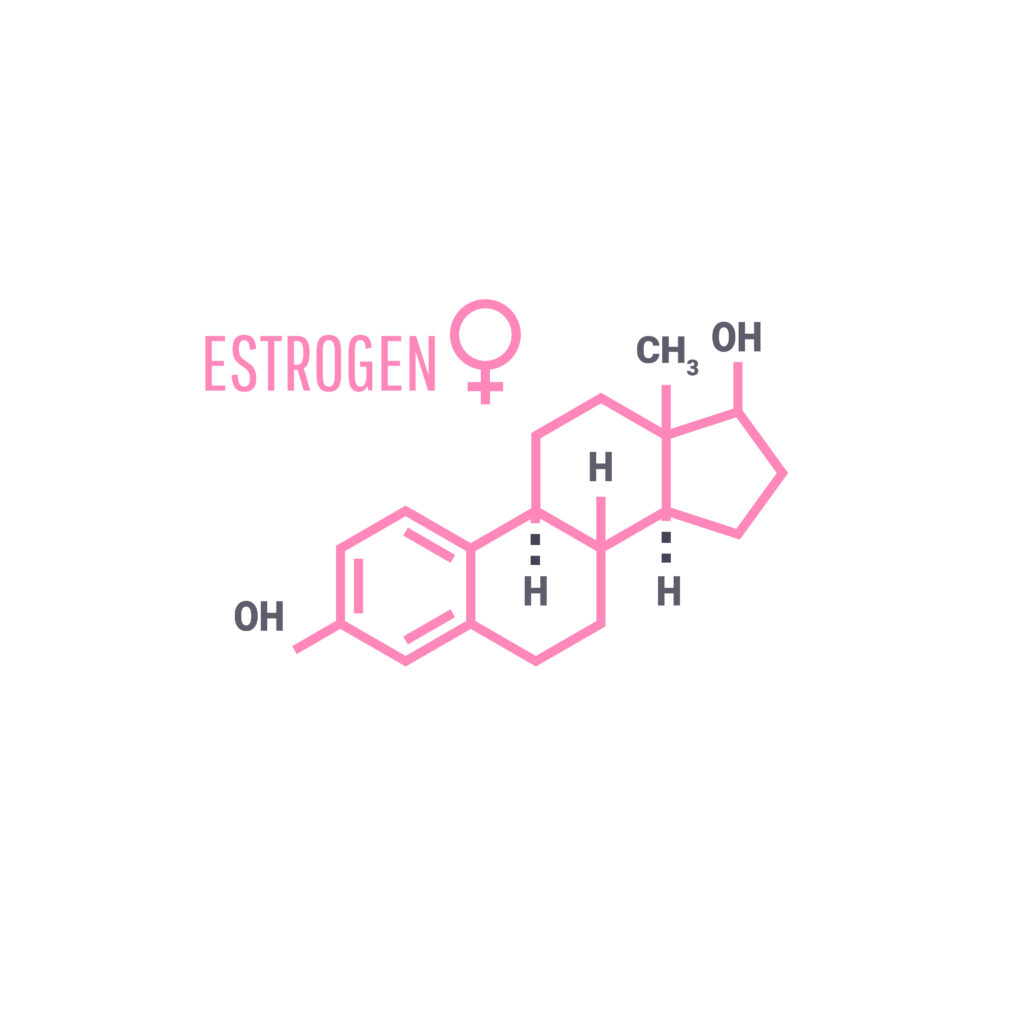
The menstrual cycle is a complex dance made up of four main phases, orchestrated by several hormones: estrogen, progesterone, FSH, and LH. Each rises and falls at precise moments to prepare the body for a potential pregnancy.
The big picture
- Menstrual phase: start of the cycle, low levels of sex hormones
- Follicular phase: gradual rise in estrogen
- Ovulation: LH surge and release of the egg
- Luteal phase: progesterone rises, then falls before the next period
These hormonal shifts do not stay confined to the reproductive system. They influence metabolism, mood, appetite , and above all, how energetic you feel. This is where the link between hormones and energy becomes especially noticeable.
Why hormones change your energy levels
1. Estrogen: natural energy boosters
During the follicular phase, estrogen levels steadily increase. These hormones play an important role in energy metabolism by helping the body use carbohydrates and fats more efficiently as fuel. This can translate into a stronger sense of vitality.
Many people report feeling more alert, motivated, and ready to move during the first half of their cycle , precisely when estrogen is rising.
✨ Why?
Estrogen acts on the brain, nervous system, fuel metabolism, and even perceived effort , all key contributors to how energetic you feel.
2. Ovulation: an energy peak… or not?
Around ovulation, estrogen reaches its peak before slightly declining. Some people experience a temporary boost in energy and focus during this time, likely linked to this hormonal high.
However, it’s important to stay nuanced: not all studies show a clear increase in physical or cognitive performance around ovulation, and individual responses vary widely.
🎯 In short
Some people feel amazing at ovulation, others don’t , and both experiences are completely normal.
3. The luteal phase: slower and heavier
After ovulation, progesterone becomes the dominant hormone during the luteal phase. Its effects on energy can be noticeable:
- Increased appetite and cravings for richer foods
- A sense of physical heaviness or fatigue
- Bloating or tension toward the end of the cycle
These symptoms are often associated with premenstrual syndrome (PMS), which may include a significant dip in energy in the days leading up to menstruation.
🧠 How it works
Progesterone acts on the central nervous system and can reduce alertness or increase the feeling of fatigue , almost like a signal from your body to slow down before the next hormonal reset.
Energy metabolism: not just a feeling, a physiological reality
Energy is fueled by carbohydrates, fats, and proteins. Research shows that while hormone levels may not dramatically change resting energy expenditure, they do subtly affect how energy sources are used , especially during physical effort.
For example:
- Higher estrogen levels can make the body more efficient at using fat as fuel during exercise
- During the luteal phase, metabolism may rely more heavily on carbohydrates
This helps explain why endurance or fatigue can feel different depending on where you are in the cycle. Studies consistently highlight trends , but also significant individual variability , when it comes to hormones and energy.
Energy and performance: sport, focus, daily life
Physical activity and training
Many female athletes adapt their training to their cycle, aiming to push harder during high-energy phases and ease off when fatigue increases.
Scientific reviews suggest that physical performance may vary slightly across the cycle, but these changes are neither universal nor fixed. Often, differences appear more in perceived fatigue than in objectively measured performance.
🏃♀️ Takeaway
Rather than following rigid rules, listening to your own body and tracking your personal patterns is usually more effective.
Focus, mood, and mental energy
Hormonal fluctuations also affect the brain. They influence emotional reactivity, memory, and mental fatigue.
Some people feel sharper and more focused in the first half of the cycle, while others notice a dip in mental energy before their period.
💡 Practical tip
Keeping a cycle journal with notes on energy, mood, and concentration can help you identify your personal rhythms , and plan gentler weeks accordingly.
Nutrition and hormonal energy
What you eat influences your hormones , and your hormones influence how you use energy.
1. Follicular phase
When estrogen rises, the body often handles carbohydrates and fats more efficiently. Nutrient-dense foods rich in fiber and healthy fats can support this dynamic phase.
2. Luteal phase
As appetite increases, focusing on nutrient quality rather than quantity becomes important. Foods rich in iron, B vitamins, and magnesium may help reduce fatigue.
🥗 Simple advice
Including whole foods, protein, and vegetables at every meal supports stable energy intake and helps buffer hormonal fluctuations.
What if energy is just a signal?
Rather than fighting energy fluctuations, observing and understanding them can be empowering. Your cycle is not an obstacle , it’s valuable biological information that helps you know yourself better, improve quality of life, and adapt activities to your real energy levels.
If energy variations are intense or disruptive, a healthcare professional can help explore the link between hormones and energy, while also considering other factors like stress, sleep, or nutrition.
Conclusion
Energy throughout the menstrual cycle is far more than a vague feeling. It reflects deep hormonal changes that influence metabolism, mood, appetite, performance, and overall well-being. Learning to read these signals allows you to move through your cycle with more ease, balance, and effectiveness.
Sources
- Hackney AC, et al. Menstrual Cycle Hormonal Changes and Energy Substrate, PMC. https://www.ncbi.nlm.nih.gov/pmc/articles/PMC8508274/ (PMC)
- Carmichael MA, et al. The Impact of Menstrual Cycle Phase on Athletes, PMC. https://www.ncbi.nlm.nih.gov/pmc/articles/PMC7916245/ (PMC)
- Tucker JAL, et al. Effect of the Menstrual Cycle on Energy Intake: A Systematic Review, Nutrition Reviews. https://academic.oup.com/nutritionreviews/article/83/3/e866/7713894 (OUP Academic)
- Oosthuyse T, et al. The Effect of the Menstrual Cycle on Exercise Metabolism, PubMed. https://pubmed.ncbi.nlm.nih.gov/20199120/ (PubMed)
- National Women’s Health information on energy and cycle interactions. https://womenshealth.gov/getting-active/physical-activity-menstrual-cycle (womenshealth.gov)