The Ancestral Art of Warming the Soul as Much as the Body
Immersion in Warmth as Ritual
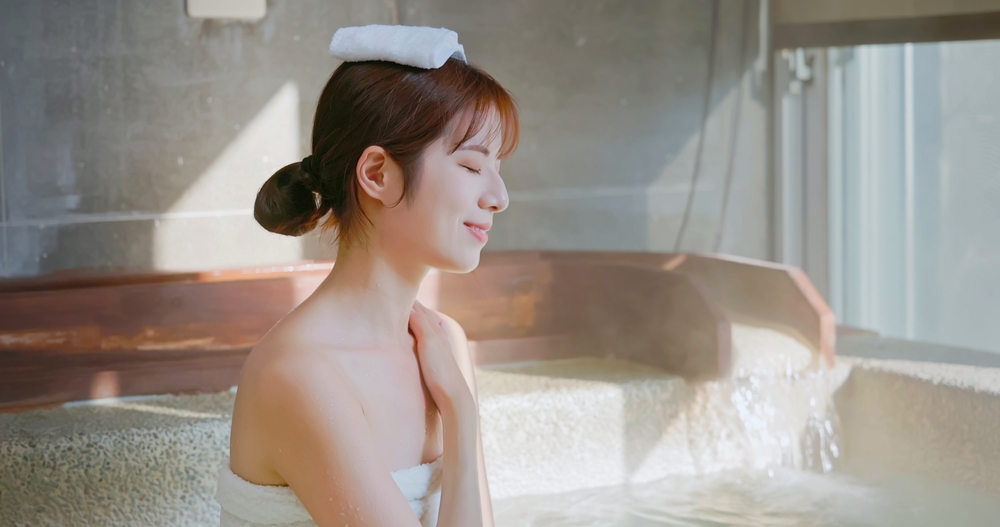
A millennia-old ritual across cultures and continents, immersing oneself in warm water or surrendering to a heat bath is far more than a simple relaxation moment. Within feminine wellness , particularly rituals centered on energy and inner harmony , taking a bath or exposing the body to warmth becomes a celebration of embodiment, a way to cultivate presence while stimulating deep physiological processes.
This encounter with warmth activates mechanisms that support cardiovascular balance, stress regulation, restorative sleep, and metabolic regulation , benefits that science is increasingly documenting with rigor.
In this article, we explore the physiological, psychological, and symbolic effects of heat baths, blending modern science with feminine sensibility to understand why this ritual can be a powerful ally in a well-being routine.
The Hot Bath: An Ancient Tradition Reimagined
From sacred waters to modern ritual
Since Antiquity, entire civilizations have granted hot water a sacred place , from Roman thermal baths to Japanese onsen and North African hammams. Warm water becomes a vehicle of transformation, both inner and physical.
While showers often serve a functional purpose, a hot bath invites pause, breath, and self-presence. It slows daily rhythms and opens space for a sensual, conscious, almost meditative experience.
Today, heat baths continue this lineage , no longer confined to ancient bathhouses but present in modern bathrooms and wellness centers as a practice both simple and profoundly restorative.
How Heat Affects the Body
Cardiovascular effects
When the body is immersed in warm water or exposed to ambient heat (such as in a sauna), blood vessels dilate , a process known as vasodilation , which improves circulation. This reduces vascular resistance and, in certain contexts, may lower blood pressure, supporting cardiovascular health.
Studies suggest that repeated immersion in warm water may reduce resting sympathetic nervous system activity and lower heart rate, indicating a sustained relaxing effect on the cardiovascular system.
Metabolism and hormonal regulation
Heat stimulates metabolic processes. By raising body temperature, hot baths activate heat shock proteins, involved in cellular repair and metabolic stress management. Some research associates this stimulation with improved glycemic regulation and reduced inflammation.
Nervous system and stress reduction
Warm water immersion influences the autonomic nervous system by decreasing “fight-or-flight” (sympathetic) activity and promoting parasympathetic (“rest-and-digest”) response. This physiological shift contributes to the deep relaxation commonly experienced after a bath.
This neurophysiological response explains why heat baths often feel emotionally grounding as well as physically soothing.
Bath and Mind: Sleeping Better, Thinking Clearer
Sleep quality
One of the lesser-known benefits of hot bathing is its impact on sleep. When taken 1–2 hours before bedtime, it triggers a natural cooling process after heat exposure. This “thermoregulatory rebound” promotes faster sleep onset and improves overall sleep quality. (Nature et Source Chaude)
Stress reduction and emotional soothing
Immersion in warm water stimulates endorphin release , neurotransmitters associated with well-being , contributing to measurable reductions in stress and anxiety. Heat functions as a physiological signal of safety and pause, helping suspend intrusive thoughts and foster sustained calm.
For many women, this becomes a form of liquid meditation: an experience where water movement and warmth invite surrender to the present moment.
Bath, Skin, and Beauty: Warmth That Enhances Radiance
Circulation and regeneration
Warmth dilates pores, supporting deeper cleansing of the epidermis. Enhanced circulation increases oxygen and nutrient delivery, stimulating cellular regeneration.
Although overly hot or prolonged exposure can dry the skin, moderate temperatures combined with oils, mineral salts, and proper hydration afterward can support skin health and amplify sensations of softness and glow. (Nature et Source Chaude)
In a feminine ritual framework, pairing a bath with gentle exfoliation or oil massage transforms it into a sensory and aesthetic care experience.
Feminine Energy and Cyclical Rhythm
Warmth as comfort and reconnection
In many traditions, warm water harmonizes body and spirit, particularly for women. Heat stimulates circulation, reduces muscular tension linked to menstrual phases, and provides comfort often sought during specific cycle moments.
Symbolically, a bath becomes more than hygiene , it represents reconnection, permission to pause, and attunement to internal rhythms.
Allowing the body to warm, feeling water support each curve and muscle, becomes a quiet dialogue with oneself , a soft listening to physical and emotional needs.
This is where heat baths transcend comfort and enter the realm of embodied ritual.
Precautions and Best Practices
Safety and moderation
Despite their benefits, certain precautions ensure safety:
- Moderate temperature: ideally 38–40°C (100–104°F), rarely higher.
- Reasonable duration: 15–30 minutes is sufficient.
- Avoid immediately after heavy meals or intense exercise due to blood redistribution risks.
- Consult a healthcare professional if you have cardiovascular issues, blood pressure concerns, or are pregnant.
Ritual should never mean excess. The goal is harmony, not strain.
Structuring a Conscious Heat Ritual
A practical protocol
Many women find this structure effective:
- Prepare the space: warm lighting, comfortable temperature, optional essential oils.
- Conscious breathing before immersion.
- Gradual entry into water to allow adaptation.
- Visualization of warmth dissolving physical and mental tension.
- Gentle exit, pat drying (no harsh rubbing), followed by moisturizing care.
This transforms heat baths into an intentional act of self-compassion , warmth as a metaphor for kindness toward one’s body.
Conclusion: Warmth, Presence, Transformation
Heat baths are not a passing trend. They are deeply rooted human practices supported by growing scientific evidence. Their vascular, metabolic, neurophysiological, and psychological effects enrich a meaningful feminine wellness approach.
Within women’s rituals, taking a hot bath or sauna session is not merely comfort-seeking , it is a gesture of care, a way to revisit one’s relationship with body, breath, cycles, and energy.
Beyond relaxation, warmth becomes a companion of transformation , a reminder that self-care can be as simple and profound as immersing oneself in warm water.
Sources :
- Y Goto, Physical and Mental Effects of Bathing: A Randomized …, PMC – National Library of Medicine – PubMed Central, https://pmc.ncbi.nlm.nih.gov/articles/PMC6011066/ (PMC)
- J Cui, Repeated warm water baths decrease sympathetic activity in …, PMC – National Library of Medicine – PubMed Central, https://pmc.ncbi.nlm.nih.gov/articles/PMC9291418/ (PMC)
- M Kjertakov, Hot Water Immersion as a Means to Prevent …, PMC – National Library of Medicine – PubMed Central, https://pmc.ncbi.nlm.nih.gov/articles/PMC12060910/ (PMC)
- BB Sotomaior, The effects of hot-water immersion on cardiovascular and …, PMC – National Library of Medicine – PubMed Central, https://pmc.ncbi.nlm.nih.gov/articles/PMC12848596/ (PMC)
- S Ojima, Effects of hot spring bathing on cardiac and vascular function, Nature, https://www.nature.com/articles/s41440-023-01290-2 (nature.com)