The Art, the Science, and a Touch of Pleasure
The phrase pelvic floor exercises for women appears in the very first sentence for a reason: it lies at the heart of this article and of your intimate well-being. When we talk about women’s health, we often think of nutrition, sleep, emotions… yet the pelvic floor remains a mysterious, somewhat overlooked area, even though it is essential to daily comfort and intimate life. Today, we are lifting the veil on this small group of muscles with scientific rigor, clear guidance… and a gentle touch of good-humored encouragement.
🎯 A Quick Anatomical Reminder: What Is the Pelvic Floor?
Understanding the structure before strengthening it
Before discussing movements and refined contractions, let’s start with a simple (but not simplistic) image. Imagine a hammock located at the base of your pelvis. This muscular tissue connecting the pubic bone to the coccyx supports your internal organs , bladder, uterus, rectum , like a small team of firefighters protecting your stability. (chudequebec.ca – https://www.chudequebec.ca)
Without effective support in this area , especially during certain life stages (pregnancy, postpartum, menopause) , you may notice urinary leakage, a sensation of heaviness, or tension during intercourse. Nothing dramatic, but significant enough to deserve serious attention. (Naître et grandir – https://naitreetgrandir.com)
💪 Why Train? Scientifically Proven Benefits
Strength that supports daily life and intimacy
The good news? You do not need sophisticated equipment or a gym membership to improve your pelvic floor health (and even your sexual life!).
🔹 1. Improved Continence
Several studies show that training the pelvic floor muscles can significantly reduce symptoms of urinary incontinence, especially after childbirth or with aging. (PMC – https://www.ncbi.nlm.nih.gov/pmc)
🔹 2. Prevention of Organ Prolapse
A toned pelvic floor helps support pelvic organs and may reduce the risk of prolapse (organ descent), a crucial point for long-term health.
🔹 3. Better Intimate Quality of Life
According to scientific reviews, pelvic muscle training is associated with improvements in sexual satisfaction and intensity of sensations. (NCBI – https://www.ncbi.nlm.nih.gov)
🔹 4. An Asset for Everyday Life
These muscles also work in coordination with your breathing, deep abdominal muscles, and overall posture. A strong pelvic floor can improve stability and everyday comfort. (chudequebec.ca – https://www.chudequebec.ca)
Practicing pelvic floor exercises for women is therefore not just preventive , it can be transformative.
🧠 The Basics of Pelvic Floor Exercises
Consistency matters more than intensity
A quick note before you begin: consistency is key. Like any muscle training, results do not appear after a single session. But a calm, progressive practice tailored to you can make a real difference.
🧘♀️ Basic Exercises: How to Do Them
Simple, evidence-based movements
Here are scientifically recommended exercises you can do at home , or almost anywhere.
1️⃣ Fundamental Exercise: The “Kegel” Contraction
This is one of the most studied and effective movements to strengthen the pelvic floor.
How to do it:
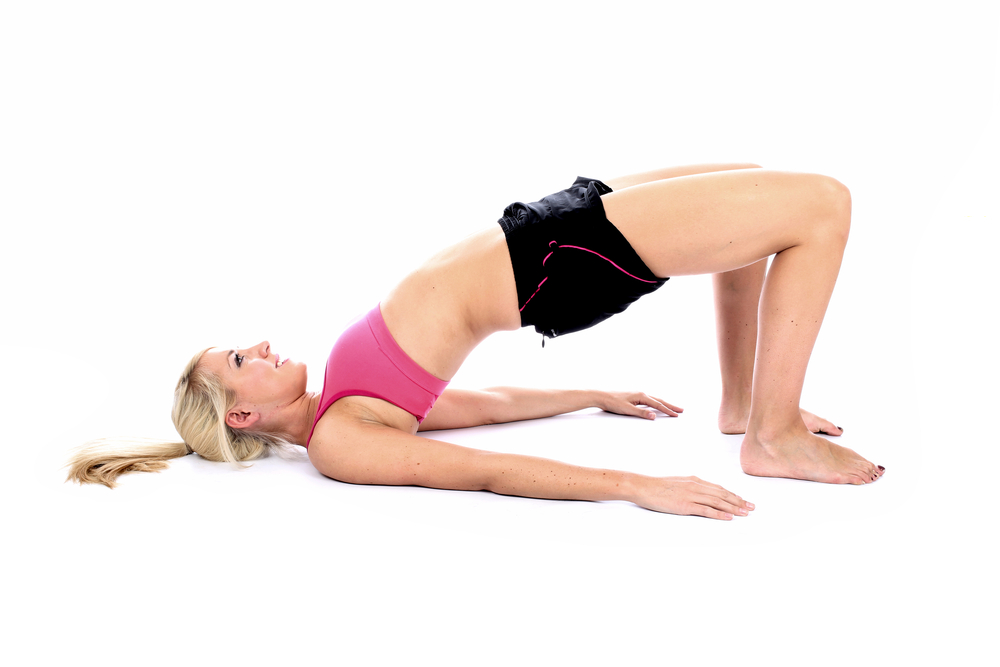
- Lie down comfortably with knees bent.
- Breathe in calmly.
- As you exhale, contract your pelvic floor muscles as if you were trying to stop urinating or passing gas.
- Hold the contraction for 3 to 5 seconds, then release.
- Perform 8 to 10 repetitions, two to three times per day.
Tip: the contraction should remain localized in the pelvic floor , no tightened glutes, no breath holding!
2️⃣ The “Elevator” Exercise: Graduated Control
Imagine an elevator rising floor by floor inside your body.
Steps:
- Contract lightly (1 second),
- then slightly stronger (2 seconds),
- until reaching your maximum comfortable level (3 to 5 seconds),
- then descend gradually.
This variation improves fine motor control of the muscles. (Perinee Shop – https://www.perineeshop.com)
3️⃣ Quick Contractions: Speed and Reactivity
Here, the goal is not maximum strength but reflex speed.
- Contract the muscles as quickly as possible,
- then release immediately.
- Repeat 10 times.
This type of training helps the muscles respond more effectively to everyday efforts.
4️⃣ Combined Exercises: Breathing and Movement
Coordination enhances efficiency
Conscious breathing can support strengthening.
- Lying or sitting, inhale deeply.
- As you exhale, contract your pelvic floor while gently drawing in your lower abdomen.
This coordinated action improves activation of the right muscle groups without unnecessary tension.
These variations are central to effective pelvic floor exercises for women.
🛠️ Practical Tip: Integrate These Exercises Into Daily Life
Small moments, big results
These movements may not look spectacular, but regular repetition makes them powerful. Here are some ideas:
- During your coffee break ☕
- While waiting for the elevator 🚪
- On public transport 🚆
- Before going to sleep 🌙
And remember: it’s discreet! No one will know you’re in the middle of an inner wellness session 😉
⚠️ Important Precautions
Train smart, not recklessly
Never perform these exercises while urinating , they are meant to help you identify the muscles, not interrupt urine flow.
If you experience pain, persistent discomfort, or have specific medical history (recent childbirth, pelvic surgery, neurological conditions), consult a healthcare professional before continuing.
Every body is unique: a specialized physiotherapist can help tailor the practice.
📅 What If I Started Today?
You do not need expensive accessories to begin. In fact, one or two minutes are enough to start feeling that small muscular hammock react. If you progress regularly (like learning a dance or a new recipe 😉), you may experience more lightness, greater control… and perhaps even renewed intimate pleasure.
Committing to pelvic floor exercises for women today could be one of the simplest and most empowering steps toward long-term well-being.
📚Sources
- Effectiveness of Pelvic Floor Muscle Training on Quality of Life … – CA Curillo-Aguirre et al., PMC (2023) – https://www.ncbi.nlm.nih.gov/pmc/articles/PMC10301414/ (PMC)
- Kegel Exercises – YC Huang et al., StatPearls, NCBI Bookshelf (2023) – https://www.ncbi.nlm.nih.gov/books/NBK555898/ (NCBI)
- Exercices du plancher pelvien – CHU de Québec-Université Laval (2025) – https://www.chudequebec.ca/patient/maladies-soins-et-services/traitements-et-examens/traitements/exercices-du-plancher-pelvien.aspx (chudequebec.ca)
- Exercices pour le périnée (Kegel), les cuisses et les abdos – Naitre et Grandir (fr) – https://naitreetgrandir.com/fr/grossesse/sante-bien-etre/grossesse-exercices-perinee-kegel-cuisses-abdos/ (Naître et grandir)
- 10 exercices pour renforcer votre périnée, avec ou sans … – PerineeShop – https://www.perineeshop.com/blog/index/billet/17138_-10-exercices-pour-renforcer-et-entretenir-son-perinee (Perinee Shop)