Understanding, Living, and Embracing the Journey
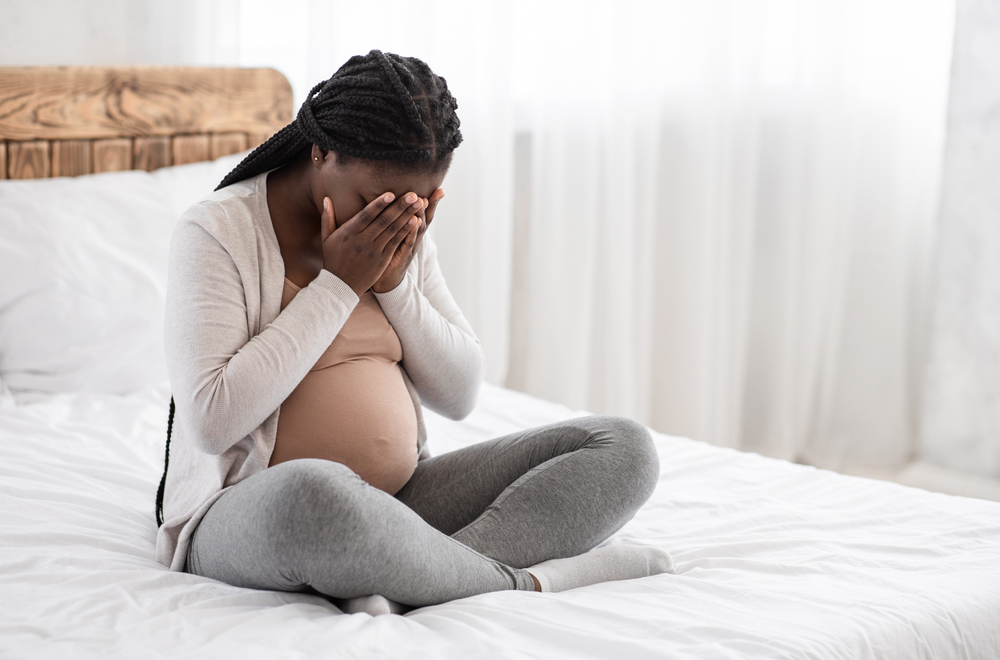
Pregnancy is often portrayed as a time of glowing happiness and joyful anticipation. Yet behind this idyllic image lies a more complex reality: a whirlwind of powerful, shifting, and sometimes confusing feelings. Intense joy, sudden worries, uncomfortable doubts , all coexist during this extraordinary time when new life is growing within you.
Scientifically speaking, emotions during pregnancy are not random or exaggerated. They are shaped by biological changes, psychological adjustments, and social factors that interact in subtle and fascinating ways.
Why Do Emotions Intensify During Pregnancy?
Imagine your hormones preparing for a marathon , and changing the course halfway through. That is essentially what many pregnant women experience.
Hormonal fluctuations, essential for fetal development, significantly influence mood and emotional processing. Early pregnancy in particular is often marked by sudden emotional highs and lows: deep happiness followed by waves of anxiety or emotional fatigue. These shifts are linked to hormonal effects on brain circuits involved in emotional regulation, combined with the psychological impact of preparing to welcome a child.
The Full Emotional Spectrum of Pregnancy
Pregnancy is not defined by one emotion but by an entire emotional rainbow.
Positive Emotions
- Joy and excitement: pregnancy announcements and ultrasounds often bring profound happiness.
- A sense of fulfillment: carrying a child can feel deeply meaningful.
Even these beautiful emotions may sometimes blend with apprehension.
Ambivalent Emotions
Feeling opposite emotions at the same time is common. You may feel thrilled , and moments later wonder, “Will I be a good mother?” Fear of childbirth or concern about the baby’s health often coexist with excitement.
Ambivalence is normal and reflects psychological adaptation to a life-changing transition.
Difficult Emotions
- Anxiety and worry about the unknown or the baby’s health
- Sadness or emotional vulnerability
- Increased stress levels
Scientific literature increasingly examines prenatal stress because it affects maternal well-being and may influence fetal development. Still, fluctuations alone are not signs of weakness , they reflect complex biological and psychological adjustments.
When Do Emotional Changes Become Concerning?
Emotional ups and downs are common. However, certain symptoms require attention.
Prenatal Depression
Persistent sadness, loss of interest in daily activities, overwhelming fatigue, or recurring negative thoughts may indicate prenatal depression. Studies suggest that up to 18% of women experience significant depressive symptoms during pregnancy.
Excessive Anxiety
If worry becomes intrusive and disrupts sleep, appetite, or social functioning, professional support is recommended. Anxiety and depression often co-occur during pregnancy.
If symptoms persist or intensify, consulting a healthcare provider is essential. Emotional health is part of a healthy pregnancy.
How Maternal Emotions May Influence the Baby
Research indicates that chronic stress or severe anxiety during pregnancy may be associated with differences in children’s later stress responses or emotional regulation. Some studies suggest potential links with variations in certain brain structures or stress-related systems.
However, this does not mean that occasional negative emotions harm the baby. Development is multifactorial and influenced by genetics, postnatal care, and environmental support.
Balanced emotional care is beneficial , perfection is unnecessary.
Practical Strategies for Emotional Balance
There are concrete ways to navigate emotions more serenely.
1. Acknowledge Your Feelings
Instead of resisting emotions, observe and name them. Saying, “Today I feel anxious,” can reduce internal tension.
2. Seek Social Support
Sharing concerns with a partner, friend, or healthcare professional decreases emotional isolation. Research highlights the protective role of social support in reducing prenatal anxiety and depression.
3. Practice Emotional Regulation Techniques
- Deep breathing exercises
- Mindfulness or meditation
- Gentle physical activity such as walking or prenatal yoga
These strategies strengthen resilience and complement medical care when needed.
4. Allow Imperfection
No one manages emotions flawlessly. Pregnancy is a profound transition, and emotional variability is part of adaptation.
Scientific Spotlight: Emotional Regulation Matters
Research shows that emotional regulation skills during pregnancy are closely linked to maternal mental health and improved perinatal outcomes. Being able to identify, understand, and adjust emotional responses can significantly reduce psychological distress.
Learning to regulate emotions does not suppress them , it creates stability and confidence.
Common Myths About Pregnancy Emotions
Myth: “You must stay calm at all times while pregnant.”
Reality: Emotional fluctuations are biologically and psychologically normal.
Myth: “If I cry often, something is wrong.”
Reality: Crying can be a healthy emotional release. What matters is persistence and intensity.
Myth: “My mood has no effect on my baby.”
Reality: Maternal emotional states contribute to the prenatal environment, but they do not determine outcomes in a simplistic way.
Understanding emotions during pregnancy means replacing guilt with knowledge.
In Summary: Your Emotions Are Part of the Journey
Pregnancy is not only a physical transformation , it is an intense emotional journey. Joyful, ambivalent, or difficult feelings all reflect your adaptation to a profound life change.
Fluctuations are not failures; they are signs of adjustment.
Most importantly, you are not alone. Seeking support, developing emotional awareness, and allowing yourself space to feel are not weaknesses , they are strengths.
When approached with understanding and compassion, emotions during pregnancy become not something to fear, but something to navigate with confidence and care.
Sources
- Maternal Mental Health During Pregnancy: A Critical Review , A Chauhan et al., PMC , https://pubmed.ncbi.nlm.nih.gov/PMC9681705/
- Emotion regulation in pregnancy: a call to action for … , F Penner et al., PMC , https://pubmed.ncbi.nlm.nih.gov/PMC8748524/
- Analysis of risk factors for co-morbid anxiety and depression in pregnant women , DOI:10.1016/j.psychres.2024.116323
- Positive Mental Health, Anxiety and Prenatal Bonding , LX Ballesteros-Andrés et al., MDPI , https://www.mdpi.com/2227-9032/13/24/3300
- Effects of maternal psychological stress during pregnancy on … , AM Graham et al., PMC , https://pubmed.ncbi.nlm.nih.gov/PMC9043032/